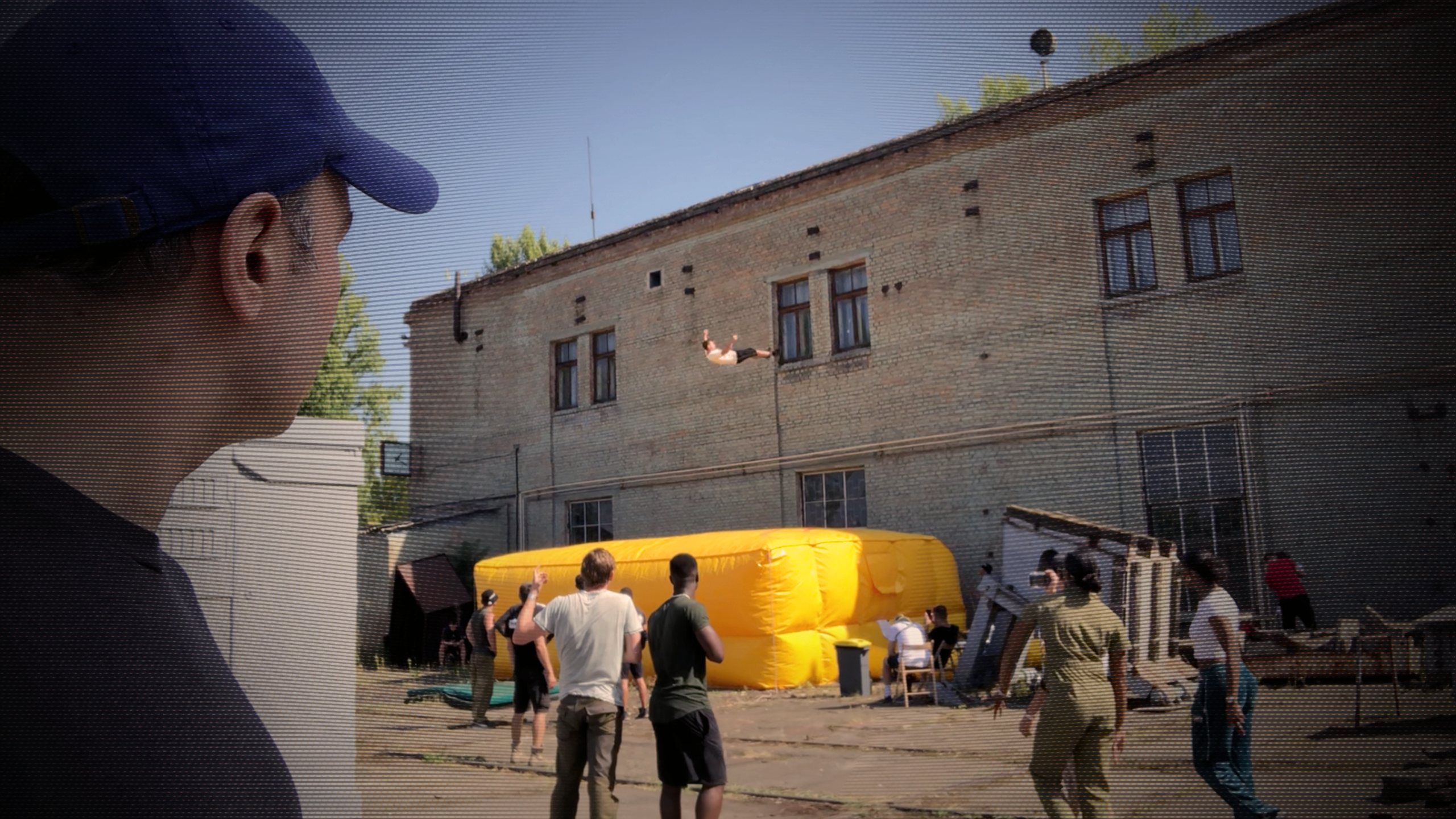
Act 1 – If You Build It…
Build a Fortress Around Your Assets (The Corporate Stuff)
Before you call a single actor or rent a single lens, you need to build a legal wall between your film and your personal life. Think of your film as a potentially beautiful, but also potentially chaotic, toddler. You love it, but you don’t want it to be able to sue you personally if it knocks over a priceless vase on someone else’s property.
The industry standard here is to create a new, single-purpose entity, almost always an LLC. It is flexible, it protects you from liability, and it keeps the money clean and separate. This LLC is now the official “Employer” for everyone you hire. It will hold the bank account, sign the contracts, and own the copyright. Don’t skip this. It is the difference between a professional operation and a very expensive hobby.
While you are getting legal, you also need to get insured. This isn’t just a box to check; it is a shield. You will need the standard package: Workers’ Compensation (non-negotiable if you have a crew), General Liability (in case someone trips over a C-stand), and Equipment Coverage (cameras are absurdly expensive to replace). Later, when you are done shooting and thinking about selling the film, you will also need Errors and Omissions (E&O) insurance, which protects you if someone claims you stole their story or their song. Get it on your radar now.
Finally, open that bank account for the LLC. It sounds simple, but commingling your personal money with the film’s money is a fast track to an accounting nightmare. Set up a system for paying people, whether it’s weekly payroll or flat fees, and stick to it. Trust is the currency of this business, and nothing erodes trust faster than payment problems.
Checklist:
- Form a Business Entity: You should establish a new legal entity specifically for this film. While you may have a production company, creating a single-purpose entity such as an LLC (Limited Liability Company) is the industry standard. This entity will own the film’s copyright, hold the bank account, and enter into all contracts. An LLC is often preferred for its flexibility and liability protection.
- Secure Proper Insurance: Insurance is non-negotiable and protects your project from catastrophic financial loss. You’ll need a customized insurance package. Key policies include :
- Workers’ Compensation: Legally required if you have employees (which your crew will be).
- Commercial General Liability (CGL): Covers third-party bodily injury or property damage on your set or locations.
- Equipment Insurance: Covers damage or theft of cameras, lighting, and grip equipment.
- Errors & Omissions (E&O) Insurance: Essential for distribution. It protects against claims of copyright infringement, libel, or slander.
- Production Package/Standalone Policies: Depending on your risk, you may also consider a Completion Bond (guarantees the film will be finished and delivered) or coverage for specific high-risk scenes.
- Set Up Financial Infrastructure: Open a dedicated business bank account for your film LLC. Establish a clear system for payments and accounting. Decide how you will pay cast and crew (e.g., project-based fees, weekly payroll) to ensure clarity and trust from the beginning
The Brutal Art of Breaking Down the Dream
Okay, legalities are in place. Now the real work begins. You have a script. It feels like art. You need to treat it like a spreadsheet.
This is called script breakdown. You need to go through that script page by page, line by line, and identify every single thing that will cost you time or money. Every prop. Every costume. Every background actor. Every car. Every special effect. It is tedious, but this document is the bedrock of your entire production. From it, you will build your budget and your schedule.
And you absolutely must build a budget and schedule. This is where you find out if the money you have is enough to actually make the movie you want to make. Be honest with yourself here. The biggest mistake first-time producers make is budgeting just enough to get through the shoot, forgetting that a film isn’t a film until it’s edited, scored, and colored. You need to have a clear path through post-production before you shoot a single frame.
From that budget and breakdown, you and your future First Assistant Director (1st AD) will create a shooting schedule. This is a puzzle. You are trying to figure out how to shoot scenes out of order to maximize location efficiency, actor availability, and daylight. It’s like a game of chess where every piece costs money.
Checklist:
- Break Down the Script: This is the most crucial logistical step. Go through the script page by page and identify every prop, costume, actor, extra, vehicle, and special effect. This data is the foundation of your schedule and budget.
- Create a Budget and Schedule: Using your script breakdown, build a detailed budget. Be sure to include above-the-line (talent, director, producers), below-the-line (crew), and post-production costs. A good rule of thumb is to ensure you have enough money to get the film all the way through post-production before you start shooting.
- Tip: Many independent filmmakers find hourly rates ineffective for budgeting due to unpredictability. Project-based pricing or fixed contracts are often preferred for clarity and cost control.
- From your budget and breakdown, create a stripboard (shooting schedule). This organizes which scenes are shot on which days, based on locations, actor availability, and time of day.
- Hire Your Department Heads: With your budget and schedule ready, you can now hire your key creative team. This typically starts with hiring the Director (if not already attached), followed by the Cinematographer (DP) , Production Designer, 1st Assistant Director (1st AD), Casting Director and Visual Effects Supervisor & Producer. These heads will then help staff their respective departments with their assigned budgets.
- Sourcing Crew: Be aware that 65% of independent filmmakers cite sourcing crews as a significant challenge. Rely on personal referrals (57%) , which is the most common and trusted method. You can also use agencies (43%) to fill specific gaps quickly.
- Union Considerations: If you plan to hire union members (e.g., SAG-AFTRA for actors, IATSE for crew, Teamsters for transportation), you must become a signatory to the relevant union and file the necessary paperwork. This process can take weeks, so start early. Teamsters, for example, have specific job classifications and rates (e.g., a Transportation Captain in LA costs around $64/hr at the time of writing this under the AICP agreement)
Building Your Circus (Hiring Your Team)
With a budget and a schedule in hand, you are no longer just a dreamer; you are an employer with a plan. Now you need to hire the ringleaders of your circus.
This starts with the Director (if they aren’t already on board) and then the key department heads. Your Director of Photography (DP) will paint with light. Your Production Designer will build the world. Your 1st AD will be your general, keeping the train on the tracks. Your Casting Director will help you fill out the rest of the roles.
Finding these people is often a game of referrals. Ask your attached talent who they love working with. Ask fellow filmmakers. It is a relationship business, and a bad hire at the top can poison the entire production. Be prepared for the fact that if you want to hire union talent (SAG-AFTRA for actors, IATSE for crew), you will need to become a signatory to their unions. This is a bureaucratic process with paperwork and fees, and it takes time, so don’t wait until the last minute.
- Finalize Casting: Work with your Casting Director and Director to cast the remaining roles. If using SAG-AFTRA actors, ensure all contracts are compliant with their union agreements.
- Location Scouting & Permitting: Your Location Manager or Scout will find and secure all filming locations. Once a location is locked, you must obtain the necessary filming permits from the city or county film office. This often involves fees and proof of insurance.
- Secure Equipment and Vendors: Based on the needs of your script and the vision of your DP and Production Designer, rent or purchase cameras, lighting, grip, and sound equipment. 99% of productions rent 100% of everything they use. There’s no reason to own anything, unless you’re planning on becoming a rental business yourself or similar scenario. A key challenge here is equipment mismatch (52%) , where different crews bring gear with varying levels of capability or compatibility. Clear communication and centralizing equipment choices can mitigate this
Locking Down the World (Locations, Gear, and Paper)
Now your team is in place. The DP needs a camera. The Production Designer needs locations. This is the phase where the abstract becomes concrete.
Your Location Manager (or you, if you are wearing that hat) will find the places where your story lives. Once you find them, you have to get permission. This means going to the city or county film office and pulling a permit. It usually costs money and always requires proof of that insurance you bought earlier. It’s a pain, but shooting without a permit is how movies get shut down.
Meanwhile, your DP is figuring out the camera package. A word to the wise: one of the most common headaches on set is equipment mismatch, where the camera package the DP wants doesn’t play nice with the grip package the Gaffer needs. Make sure your heads of department are talking to each other before the rental orders go in.
The Final Days Before “Action!”
The week before shooting starts is about communication, communication, communication. The single biggest complaint from crew members on independent films is that they feel left in the dark. Don’t let that be you.
Set up a central hub for information. Everyone uses Trello or something like it to manage to-do lists and track progress. Use Google Drive for script drafts and schedules. There is even dedicated software like StudioBinder that combines everything into one place. The goal is to make sure that when a PA wakes up at 4 AM, they can instantly find the call sheet, the map to set, and the contact number for the caterer.
Before the first day, get everyone in a room. Do a cast read-through. Have a tech scout with the key department heads. Make sure the DP knows the director wants a Steadicam shot in a hallway that is only three feet wide. These rehearsals and meetings are where problems get solved for free, before they become disasters that cost thousands on the day.
And then, the night before your first day, that call sheet goes out. It’s just a piece of paper (or a PDF), but it represents everything. It’s the plan. And for the next few weeks, that plan is your bible. Follow it, protect your people, and make your movie. Bona fortuna!
Act 2 – Making Magic
The Shoot (Where You Burn Money at an Alarming Rate)
Principal photography is a blur. It is the most intense, exhausting, and exhilarating part of the process. Your job as a producer shifts from planning to problem-solving in real time.
Every single day follows the same basic rhythm, and your mastery of that rhythm will determine your sanity. It starts the night before with the call sheet. This document is your bible. It tells everyone where to be, when to be there, what scenes are being shot, and what equipment is needed. If the call sheet is wrong, the day is wrong. A good First AD lives and dies by the call sheet.
The day itself is a military operation with artists. The crew shows up hours before the actors. The grip and electric team lights the set while the camera department preps the gear. The art department does final tweaks. Then the actors arrive, go through hair and makeup, and finally, you get to work. Blocking. Rehearsal. Lighting adjustments. First take. Second take. Coverage. Moving on.
As a producer, your focus is on three things: safety, time, and money. You are the one watching the clock, because time is literally money. You are the one making sure craft service is stocked, because a hungry crew is a slow crew. You are the one solving the unexpected crisis, whether it’s a location falling through, an actor losing their voice, or a sudden rainstorm on a day you desperately needed sunshine.
Listen to your 1st AD. They are your field general. If they tell you you are falling behind, you need to make a decision. Do you cut a shot? Do you push through and risk going into overtime? These are the calls that define a production. Protect your cast and crew, but protect the schedule. A movie that goes over budget by 20% because of loose days on set is a movie that may never see a profit.
And through it all, someone (hopefully a dedicated script supervisor) is taking meticulous notes on every take. These notes, along the footage itself, are the bridge to the next phase. Because while shooting feels like the main event, it is actually just the expensive process of gathering raw material for the real movie, which gets built in post.
The Hidden First Step of Post-Production (Hire Your Ghosts Early)
Here is where we correct my earlier omission. You do not wait until shooting ends to think about post. By then, it is too late. You need to bring two key players on board during pre-production, ideally around the same time you hire your production designer.
First, the Post Production Supervisor. This person is your logistical partner for the entire back half of the process. They are part project manager, part tech wizard, and part diplomat. They will design the entire workflow for your footage. How is it backed up on set? What codec are you shooting in? How does the sound get synced? They are the ones who will hire the editorial team, book the mixing stage, and make sure you deliver the film in the formats that distributors actually want. Having a Post Supervisor means you have a single point of contact for every post question, so you can focus on the creative.
Second, and equally crucial, the VFX Supervisor. Even if your film isn’t a Marvel movie, you will have visual effects. Removing a crew reflection from a window. Adding a muzzle flash to a gun. Cleaning up a stray piece of modern equipment in a period scene. That is all VFX. The VFX Supervisor works with the director and the DP before and during the shoot to plan how those shots will be captured. They will tell you, “We need to shoot this plate with a locked-off camera” or “We need tracking markers on this actor’s face.” If you wait until after the shoot to figure out VFX, you will find yourself in a world of pain, paying exorbitant fees for rotoscoping or, worse, having to reshoot. The VFX Supervisor saves you money by spending a little of it early.
These two people, working together, ensure that the footage coming off your camera card is not just art, but usable, trackable, editable data.
The Long Game (Post-Production)
Shooting ends. You have a wrap party. You hug your crew, cry a little, and promise to work with them again. Then you wake up the next morning and realize you now have to make a movie out of thousands of clips.
The Assembly and the Edit: Your editor (who your Post Sup has already hired) starts by syncing all the footage and building an assembly cut, just putting the scenes together in order based on the script. It will be terrible and bloated. That is fine. From there, the long, slow work of the director’s cut begins. This is where the movie is actually written for the third time (first the script, then the shoot, now the edit). Scenes are cut. Scenes are rearranged. The performance is shaped. This takes months. Be patient. A good editor is worth their weight in gold.
Picture Lock and the Music: Eventually, after weeks of feedback from producers, test screenings with friends, and agonizing decisions, you reach picture lock. This means no more changes to the visuals. Now the clock starts ticking on everything else. The composer can write to a finished film. The sound team can begin their work in earnest.
The Sound Design and Mix: This is the most underappreciated part of filmmaking. Your sound team will build the entire audio world. They will add Foley (footsteps, cloth rustling), create ambiences, and design impactful sounds. Then, they mix it all, balancing dialogue, music, and effects so the audience hears exactly what they need to. A bad mix can ruin a great movie. A great mix can elevate a mediocre one.
The Color Grade: At the same time, your colorist is working. They take the footage from your DP and give it a consistent, polished look. They make day-for-night believable. They create the mood through color. This is where your film gets its final visual polish.
VFX and Deliverables: Throughout this entire process, your VFX team has been working on their shots, delivering finished versions that get dropped into the cut. And your Post Production Supervisor has been managing it all, making sure everything is on schedule and, most importantly, creating the deliverables. This is the final technical checklist: the master file in the right format, the closed captions, the stereo and 5.1 audio tracks, the textless backgrounds for foreign sales. If you can’t deliver these, you can’t sell your movie.
Post-production is a marathon, not a sprint. It is where you will second-guess every choice you made on set. It is where the movie can be saved or sunk. Surround yourself with talented, patient people, trust your team, and remember that the goal is not just to finish a film, but to finish a film you can be proud of. Then, and only then, do you get to start the next nightmare, I mean, adventure: selling the damn thing.
Act 3 – The Festival Gamble
Your Film’s Coming Out Party
Picture lock is done. The color grade is perfect. The mix is crystal clear. You have a DCP (Digital Cinema Package) on a hard drive that represents years of your life. Now what? For the vast majority of independent films, the path to the world runs through film festivals. This is not just about glory or parties. This is your primary marketplace, your chance to be seen by the people who can actually buy your movie .
Choosing Your Battles: There are over 12,000 accredited festivals globally . You cannot apply to all of them, and you shouldn’t try. You need a strategy. The top-tier festivals like Sundance, Cannes, Toronto, and Venice offer global visibility and are where major distribution deals are born . But they are also a long shot, with acceptance rates that would make an Ivy League college blush.
Do not ignore the mid-sized and niche festivals. They often provide a better return on investment. A film that gets lost in the crowd at a massive festival might be the center of attention at a smaller, genre-specific event . If you made a horror film, target the horror festivals. A documentary about food? Find the festivals that love food docs. You want to find your audience, not just any audience.
The Cost of Doing Business: A festival run is not cheap, and you need to budget for it just like you budgeted for craft services. Entry fees typically range from $20 to $100, sometimes more for the big ones . If you submit to thirty festivals (and you probably will), that adds up fast. Use early bird deadlines to save up to 30% and look into platforms like FilmFreeway, which offer memberships that can cut submission costs .
Then there are the real costs: travel, accommodations, shipping your DCP, creating posters and postcards, maybe even hiring a publicist to drum up buzz. A single festival appearance can cost you $1,000 to $3,000 or more . You have to decide which festivals are worth showing up for in person, because frankly, if you aren’t there to work the room, you are leaving opportunities on the table.
The Submission Package: When you submit, you are not just sending a link. You are selling yourself. Your press kit matters. You need high-resolution stills (not grainy frame grabs), a well-written synopsis under 500 words, a director’s statement that explains why this story had to be told, and a trailer that grabs them by the throat in under two minutes . Make it easy for programmers to say yes.
The Festival Itself (Working the Room)
You got in. Congratulations. Now the real work begins.
The Screening: Your film will screen. Maybe to a full house, maybe to a sparse one. Either way, you show up. You introduce the film if they let you. You do the Q&A afterward. Be present, be humble, and be articulate. Answer questions thoughtfully. This is not just for the audience; it is for any distributors or sales agents in the room who are watching to see if you are someone they can work with .
The Real Job: Networking: Festivals are exhausting because you are always on. You go to the panels. You go to the mixers. You hang out in the filmmaker lounge. You have your thirty-second pitch ready, the one that explains what your film is and why it matters . You are looking for sales agents, distributors, programmers from other festivals, and fellow filmmakers who might become future collaborators.
This is also where you build relationships with the press. A good review in a major outlet, or even a passionate write-up on a site like Letterboxd, can build momentum. Critics still matter, and a strong Rotten Tomatoes score can be a genuine lifeline for a small film .
The Deal: Sometimes, a distributor approaches you after a screening. More often, you or your sales agent are pursuing them. If someone expresses interest, be ready. Have your deliverables list handy. Know what you have and what you still need to create. Have a clear idea of what kind of deal you want: a traditional theatrical release, a day-and-date VOD strategy, or a straight sale to a streamer .
Finding a Home (Distribution)
Distribution is not one thing. It is a menu of options, and the art is in mixing and matching them to fit your film. The old model of a single distributor handling everything is dead. You have to be creative .
The Landscape
Independent distributors today are looking for films that can find a niche audience. They want to know that there is a community out there for your movie, whether that community is fans of a particular actor, readers of a specific book, or people passionate about a certain subject . The question is not “Is this a good film?” but “Who is this film for, and how do we reach them?”
The Players
Traditional Theatrical Distributors: Companies like Sony Pictures Classics or A24. They acquire your film, pay for prints and advertising, and release it in theaters. This is the dream for many, but it is increasingly rare for low-budget indies. They are looking for films that can become “evergreens,” movies that find an audience and stay relevant for years .
Sales Agents
These companies represent your film to distributors around the world. They handle the foreign sales, often preselling rights to different territories. They take a commission, but they have the relationships and the market knowledge that you lack.
Hybrid and Alternative Deals
More and more, distributors are getting creative. Sony Classics released a documentary about Led Zeppelin in partnership with Imax. They released an anime film the same way. They used Fathom Events for another title, tapping into their network of screens across the country . These are not one-size-fits-all deals; they are tailored to the film.
Self-Distribution
This is the hardest path, but for some films, it is the right one. You become the distributor. You book your own theatrical run, negotiate with theaters, handle your own VOD release through platforms like iTunes or Amazon, and manage your own marketing. There are companies that can help with pieces of this, but it is a massive undertaking.
The Marketing Machine
If you do land a distributor, or if you are going it alone, you need a marketing plan. And that plan has to start long before the release date.
The old days of spending millions on TV ads are over for independent films . Today, it is about digital, targeted, and authentic marketing. It is about building awareness on social media, engaging with potential audiences directly, and finding the people who will genuinely love your film and turn them into evangelists .
You need to understand your “community.” Who are they? Where do they hang out online? What do they care about? A film based on a popular book can tap into that book’s existing fanbase. A film with a specific cultural angle can partner with organizations and influencers in that community .
And do not underestimate the power of data. There are programs now that can help independent theaters run targeted social media campaigns that actually drive ticket sales. One pilot program for independent cinemas turned an $80,000 ad spend into nearly $1 million in ticket revenue . That is the kind of efficiency you need.
The Promotional Tour (Selling the Film, One Screening at a Time)
Even after you have a distribution deal, the work is not over. You will likely find yourself on a “promotional tour,” though for an independent film, that tour might consist of a lot of one-off trips to individual cities.
You go to the opening night in New York. You fly to LA for the premiere there. You accept an invitation to screen at a small art house in Chicago, then another in Seattle. You do the Q&A every time. You sign posters. You shake every hand.
This is exhausting. It is also essential. Because in the independent film world, word of mouth is still the most powerful currency. Every person you connect with in that audience might tell two friends. Every local review might convince a dozen people to buy a ticket. Every screening builds a tiny piece of the film’s long-term life.
You are not just promoting a movie. You are building a legacy for a piece of art that you fought to bring into the world. And when, years later, someone mentions they saw your film at a tiny theater in a city you barely remember, and that it meant something to them, you will know it was all worth it.
Now go make your movie. And then go sell it. And remember – just like New York City – it’s gonna be great when you finish it!